
Creating Your Own Path: Lessons from Emerson’s Wisdom
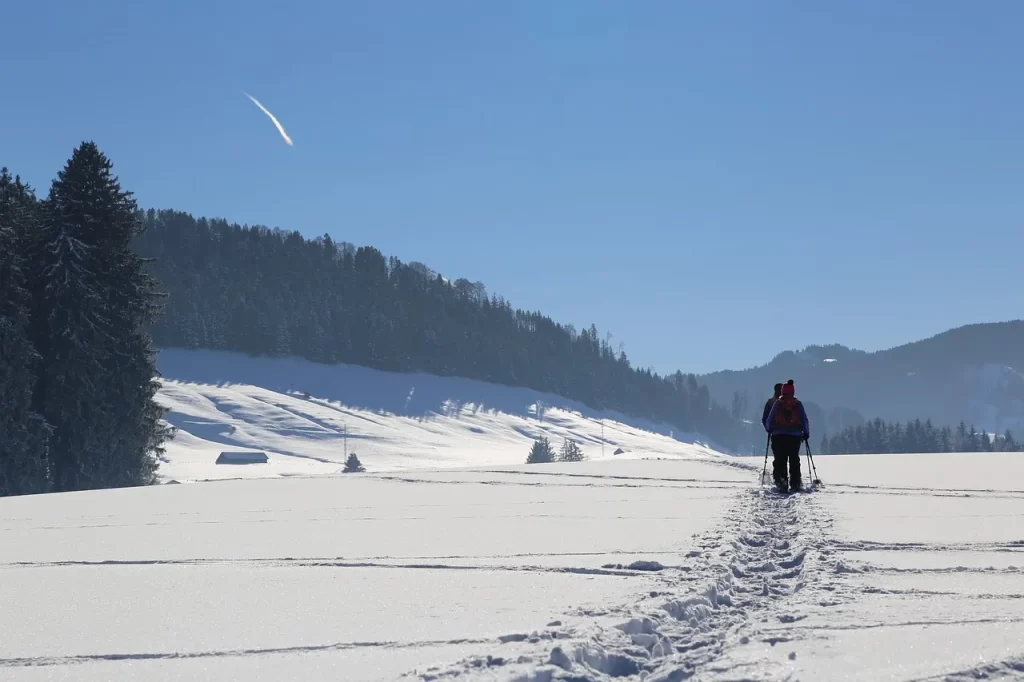
Ralph Waldo Emerson once said, “Do not go where the path may lead, go instead where there is no path and leave a trail.” This powerful statement encourages us to embrace individuality, boldness, and creativity. In a society often shaped by conformity and tradition, Emerson’s message inspires us to venture into the unknown and make a lasting impact.
Interestingly, the idea of forging your own path resonates across cultures and languages, with similar expressions from around the globe reminding us of the universal nature of this wisdom.
The Meaning Behind the Words
Discover how inclusive SEO practices can make your website more accessible to all users.
Explore our web design services to see how we merge design with SEO for maximum impact.

Similar Expressions From Around the World
The sentiment behind Emerson’s quote transcends borders. Here are a few analogous sayings from other cultures:
Japan: “The nail that sticks out gets hammered down”
While this expression warns about the consequences of standing out, it also highlights the courage needed to defy conformity. Those who stand out often make the most significant impact despite the challenges.
Spain: “Caminante, no hay camino, se hace camino al andar.”
Translated as “Traveler, there is no path; the path is made by walking,” this line from a poem by Antonio Machado emphasizes the idea of creating your journey as you go.
India: “One cannot cross the sea merely by standing and staring at the water.”
This Bengali proverb encourages action and risk-taking, much like forging your path.
Africa: “If you want to go fast, go alone. If you want to go far, go together.”
While this proverb emphasizes collaboration, it also acknowledges the significance of setting out on a new path, with or without company.
China: “A journey of a thousand miles begins with a single step.”
Attributed to Laozi, this saying reminds us that even the boldest journeys start with a small decision to act.
Russia: “Don’t dig a well in someone else’s yard.”
This proverb suggests creating your own resources and opportunities rather than relying on the paths others have paved.
These diverse expressions illustrate the universal human desire to innovate, take risks, and leave behind something meaningful.
Steps to Create Your Own Path

Challenges and Rewards of Trailblazing
Trailblazing is not without its challenges. The road can be lonely, as many may not understand your vision. Doubts and setbacks are part of the process, and there’s no guarantee of success. However, the rewards often outweigh the difficulties. Personal growth, a sense of accomplishment, and the opportunity to leave a meaningful legacy make the journey worthwhile.
Moreover, the trail you leave becomes a source of inspiration for others. By venturing into the unknown, you contribute to a culture of innovation and progress.
Leaving a Trail: The Legacy You Build
What does it mean to leave a trail? It’s about creating a lasting influence that goes beyond your own accomplishments. Your trail might inspire others to challenge norms, think creatively, or pursue their dreams with confidence. It’s a legacy of courage and contribution that shapes the world for the better.
Ralph Waldo Emerson’s quote reminds us that life’s most fulfilling journeys often lie off the beaten path. This philosophy, echoed in wisdom from around the world, urges us to act boldly and leave our mark. By daring to forge your own way, you not only discover your potential but also create opportunities for others to do the same.
So, what trail will you leave behind? Take a moment to reflect on your goals and values, and consider how you can step into the unknown with confidence.
For more insights on creating your own path and embracing individuality, check out this article on: https://www.psychologytoday.com
FAQs About Creating Your Own Path